Asbestos Awareness
Learn how to recognize potential asbestos-containing materials, understand asbestos exposure hazards, and respond appropriately before suspect material is disturbed. This four-hour in-person course is designed for workers and supervisors involved in construction, renovation, maintenance, and work in existing buildings.
Recognize Asbestos Hazards Before Disturbing the Material
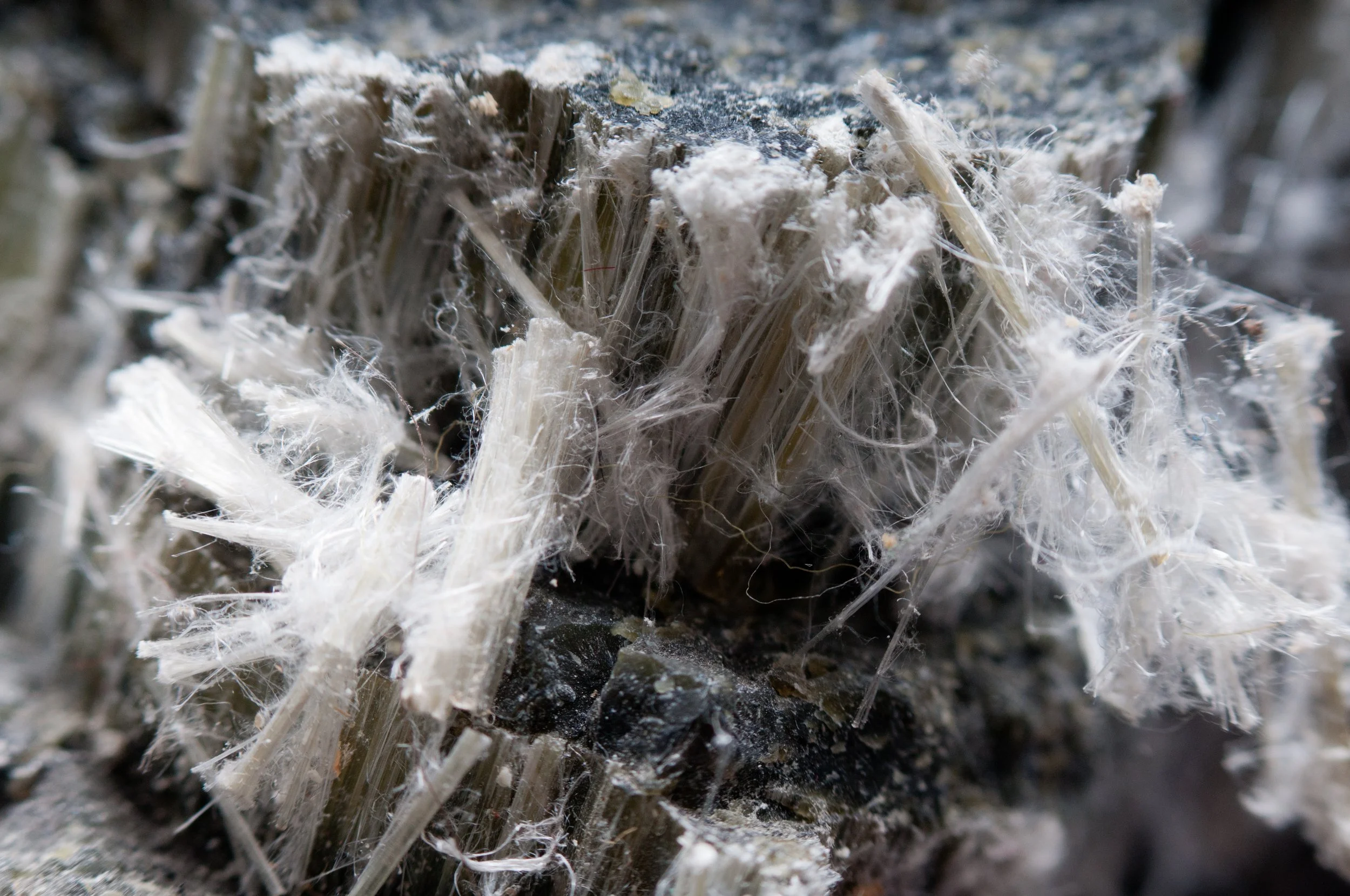
Asbestos Awareness training gives participants the foundational knowledge needed to recognize where asbestos-containing material (ACM) may be encountered, understand asbestos exposure hazards, and know what to do when suspected asbestos is identified. The focus is hazard recognition and prevention during construction, renovation, maintenance, and other work in existing buildings.
Ontario's O. Reg. 278/05 classifies asbestos operations as Type 1, Type 2 and Type 3. This course introduces those classifications at an awareness level so participants understand that asbestos work is regulated and that required controls depend on the material and work activity. If suspected ACM is encountered, workers should stop work, avoid disturbing the material, and follow the workplace's asbestos procedures.
StartSafe's Asbestos Awareness course is general awareness training. It does not automatically qualify workers to remove asbestos or replace the specific instruction and training required for regulated asbestos operations. Type 3 work has additional prescribed training requirements for workers and supervisors.
Course Topics and Learning Outcomes
Build the practical awareness needed to recognize potential asbestos hazards, understand how exposure can occur, and respond appropriately when suspect materials are encountered at work.
Recognize Asbestos Hazards
Understand what asbestos is, why airborne asbestos fibres present an occupational health hazard, and why exposure must be controlled.
Identify Suspect Materials
Recognize common building materials and work situations where asbestos-containing material may be encountered, while understanding that asbestos cannot be reliably identified by appearance alone.
Understand Exposure Risks
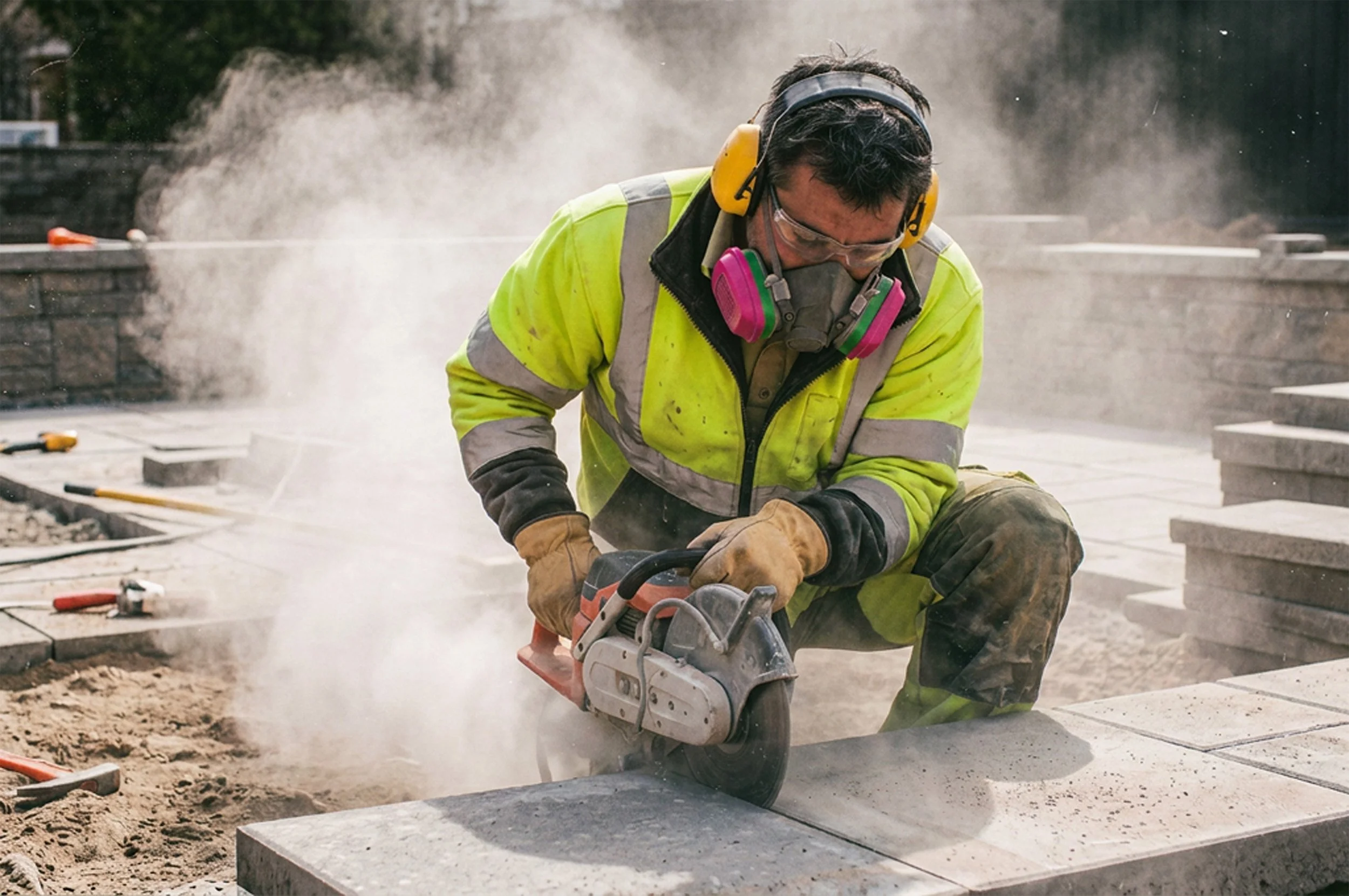
Understand how cutting, drilling, sanding, breaking, grinding, or otherwise disturbing asbestos-containing material can release hazardous fibres into the air.
Understand Ontario Work Classifications
Recognize that Ontario classifies asbestos operations as Type 1, Type 2 and Type 3, with different measures and procedures applying depending on the work being performed.
Respond to Suspected Asbestos
Know when to stop work, avoid further disturbance, and report suspected asbestos-containing material through the appropriate workplace process before continuing.
Understand Training Limits
Understand the difference between general asbestos awareness and the specific instruction, procedures, and additional training required to perform regulated asbestos operations.
Who This Course Is For
This course is designed for workers, supervisors, contractors, and building personnel whose normal duties may bring them into contact with materials that contain or may contain asbestos, particularly during work in existing or older buildings.
- Construction workers
- Renovation and demolition workers
- Building maintenance personnel
- Electricians
- Plumbers and mechanical trades
- HVAC technicians
- Property and facility-management staff
- Supervisors and contractors working in existing buildings
Build Practical Asbestos Awareness
View upcoming Asbestos Awareness course dates or contact StartSafe to arrange group training for your workplace, crew, or organization.
Frequently Asked Questions
Find answers about who should take Asbestos Awareness training, where asbestos may be encountered, and the difference between awareness training and regulated asbestos work.
Who should take Asbestos Awareness training?
Asbestos Awareness training is useful for workers, supervisors, contractors, and building personnel who may encounter asbestos-containing materials during construction, renovation, maintenance, demolition, or repair work. This includes trades and facility workers who perform work in existing buildings where suspect materials may be present.
Where is asbestos commonly found in buildings?
Asbestos was historically used in many building materials, including insulation, sprayed fireproofing, ceiling and floor materials, cement products, plaster, textured finishes, and other construction products. A material's appearance alone is not a reliable way to determine whether it contains asbestos.
What should I do if I think I’ve found asbestos at work?
Stop the affected work and avoid disturbing the suspected material. Notify the appropriate supervisor or employer so the material and required work procedures can be assessed before work continues. O. Reg. 278/05 establishes requirements for work involving asbestos-containing material.
Does Asbestos Awareness training qualify me to remove asbestos?
No. General Asbestos Awareness training does not automatically qualify a worker to perform asbestos removal or abatement. Ontario requires specific instruction and training for workers carrying out Type 1, Type 2 and Type 3 asbestos operations, and Type 3 workers and supervisors have additional prescribed training requirements.
What are Type 1, Type 2 and Type 3 asbestos operations?
O. Reg. 278/05 classifies operations that may expose workers to asbestos as Type 1, Type 2 or Type 3 based on the work being performed and the asbestos hazard involved. The applicable measures and procedures become more stringent depending on the classification and potential exposure.
Related Safety Courses
Explore additional StartSafe training options that support hazardous-material awareness, respiratory protection, and foundational workplace safety knowledge.