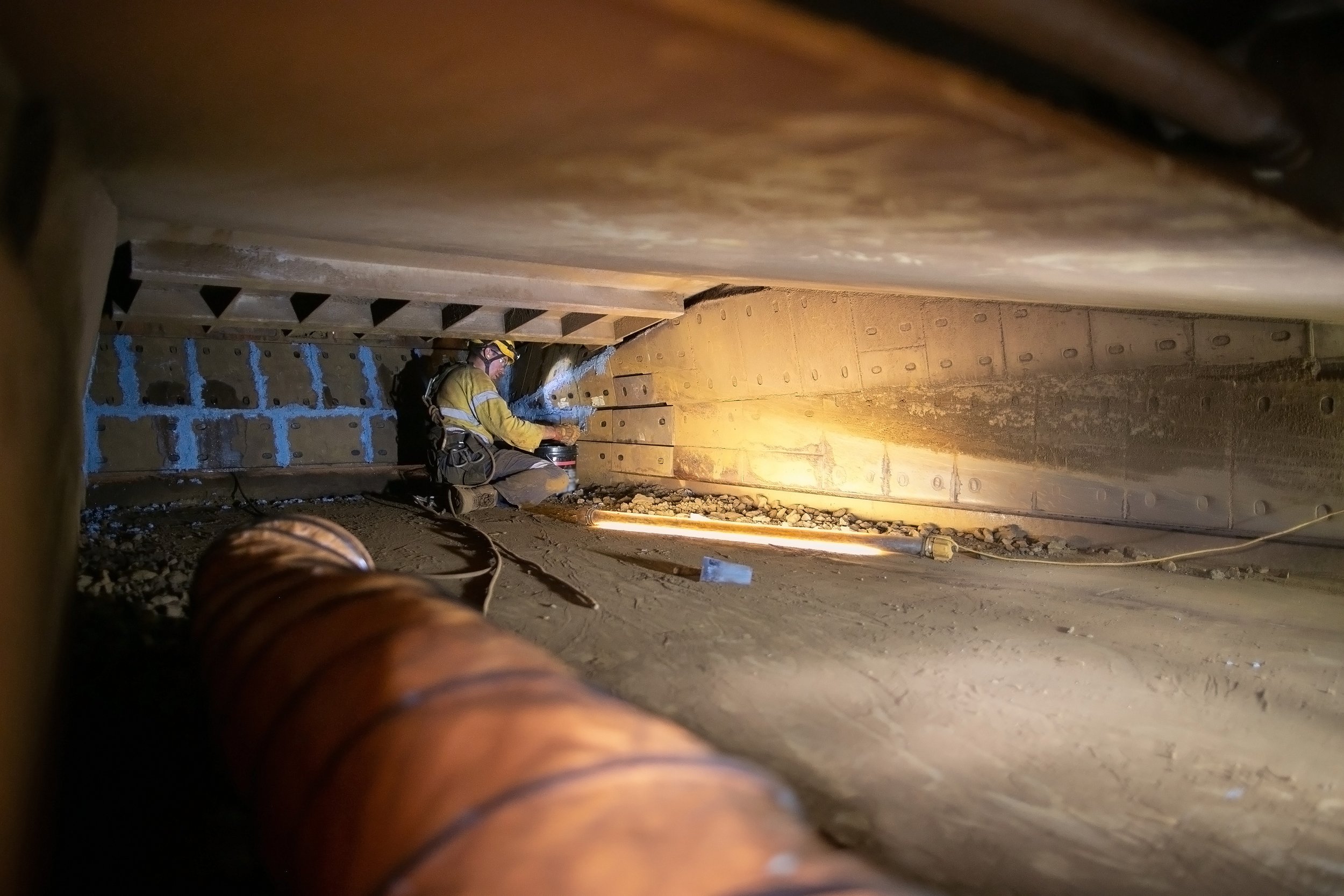
Lockout/Tagout
Learn how to control hazardous energy before maintenance, servicing, repair, cleaning or adjustment work begins. StartSafe’s Lockout/Tagout course covers energy isolation, stored-energy control and verification, with practical instruction designed for private workplace groups.
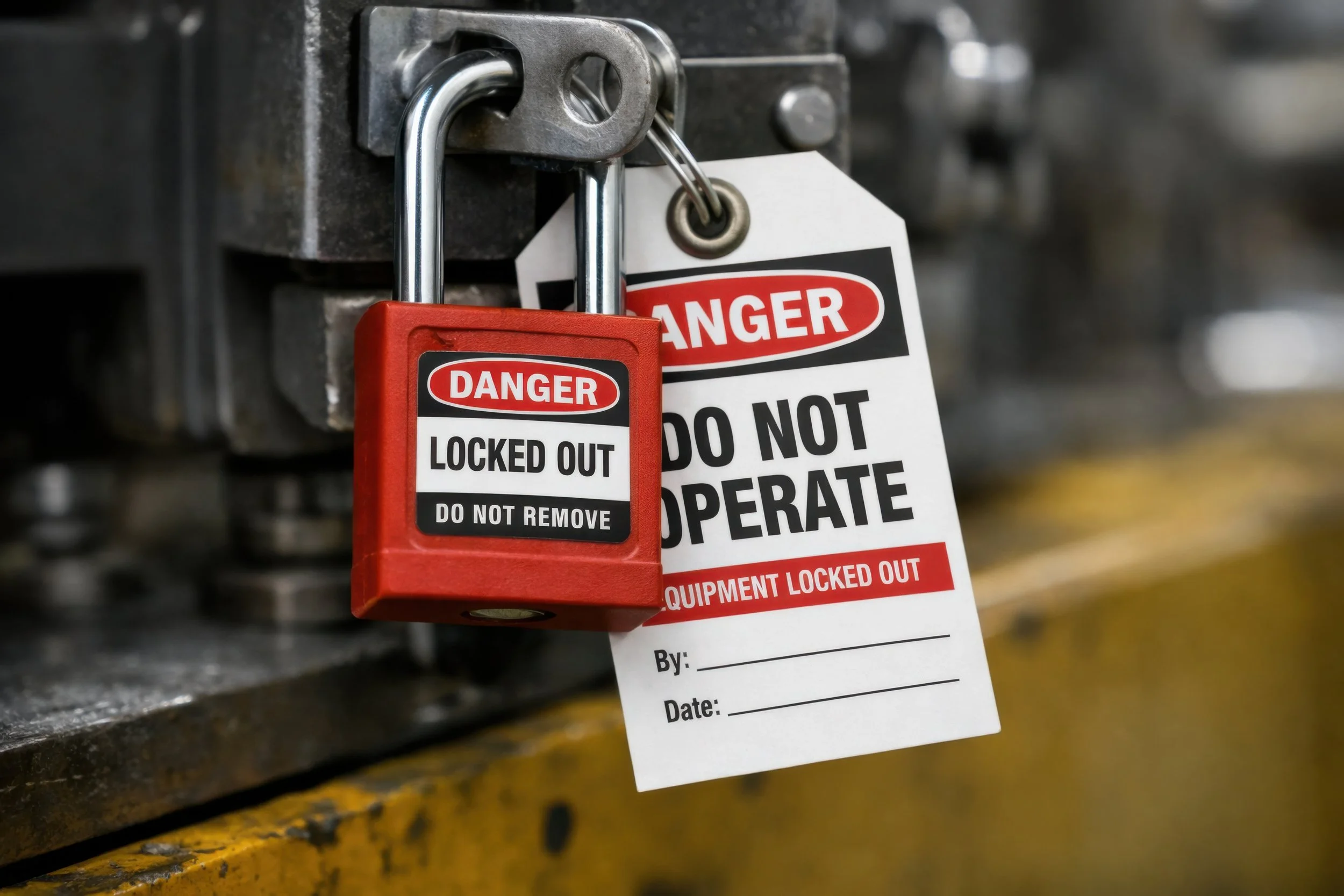
Control Hazardous Energy Before Work Begins
Lockout/Tagout, commonly called LOTO, is a hazardous-energy-control process used to prevent machinery or equipment from unexpectedly starting, moving, becoming energized or releasing stored energy while maintenance, servicing, repair, cleaning, adjustment or other work is being performed.
Hazardous energy isn't limited to electricity. Workers may encounter electrical, mechanical, hydraulic, pneumatic, thermal, chemical, gravitational and other forms of stored or residual energy. This course helps participants understand the difference between simply shutting equipment down and effectively isolating the energy sources that could cause injury.
Participants learn the general sequence of energy isolation, the importance of controlling stored energy and verifying isolation before work begins, and why general LOTO training doesn't replace equipment-specific workplace procedures. The course includes a hands-on practical component using locks, tags or isolation devices and introduces hazardous-energy-control principles relevant to Ontario Regulation 851 and CSA Z460.
Course Topics and Learning Outcomes
Participants learn the core principles behind hazardous energy control, including safe shutdown, energy isolation, stored-energy control and verification before machinery or equipment is serviced.
Recognize Hazardous Energy
Identify electrical, mechanical, hydraulic, pneumatic, thermal and other energy sources that may create hazards during servicing or maintenance.
Understand Energy Isolation
Understand the difference between shutting equipment down with normal operating controls and effectively isolating its hazardous energy sources.
Apply Lockout Principles
Understand the general sequence used to shut down, isolate and secure machinery or equipment before maintenance, servicing or other work begins.
Control Stored Energy
Recognize residual or stored energy that may remain after shutdown and understand why it must be released, blocked or otherwise controlled.
Verify Isolation
Understand why effective energy isolation must be verified before workers begin servicing, maintenance or other work on machinery and equipment.
Follow Workplace Procedures
Understand the importance of equipment-specific procedures, worker responsibilities, lock removal requirements and controlled return to service.
Who This Course Is For
Lockout/Tagout training is designed for workers and supervisors involved in servicing, maintaining, repairing, cleaning, adjusting or working around machinery and equipment where uncontrolled hazardous energy could cause injury.
- Maintenance workers
- Industrial and manufacturing workers
- Machine operators
- Millwrights
- Electricians and mechanical trades
- Construction workers
- Facility-maintenance personnel
- Supervisors overseeing servicing or equipment-isolation work
Bring Lockout/Tagout Training to Your Workplace
StartSafe provides private Lockout/Tagout training for groups of up to 12 participants. Onsite sessions can be customized around your existing machinery, hazardous energy sources and workplace LOTO procedures.
Frequently Asked Questions
Common questions about Lockout/Tagout training, hazardous energy control, workplace procedures and private group bookings.
What is Lockout/Tagout training?
Lockout/Tagout training teaches workers how hazardous energy is controlled so machinery or equipment cannot unexpectedly start, move, become energized or release stored energy while work is being performed. It covers the principles behind shutdown, isolation, lockout, stored-energy control and verification.
What types of hazardous energy does LOTO apply to?
Hazardous energy can include electrical, mechanical, hydraulic, pneumatic, thermal, chemical, gravitational and stored or residual energy. The energy sources that need to be controlled depend on the machinery, equipment and work being performed.
When is lockout/tagout required in Ontario?
Ontario's lockout and energy-control requirements vary by industry, equipment and work being performed. Regulation 851 includes requirements addressing machinery that could endanger workers through movement or unexpected start-up, as well as specific electrical disconnecting, locking-out and tagging requirements for applicable work.
Does LOTO training qualify me to lock out every machine?
No. General LOTO training teaches hazardous-energy-control principles, but workers must also understand and follow the procedures that apply to their specific workplace, machinery, energy sources and work. Generic training doesn't replace equipment-specific lockout procedures.
Does Lockout/Tagout certification expire in Ontario?
Ontario doesn't establish one universal expiry period for general Lockout/Tagout training. StartSafe's current Lockout/Tagout certificate has no expiry period, although employers remain responsible for ensuring workers have the information, instruction and supervision required for the work they perform.
Related Safety Courses
Explore additional StartSafe training options that support related job duties, workplace requirements and safety responsibilities.