Confined Space Awareness
Recognize confined-space hazards before entry begins. Our Confined Space Awareness training helps workers understand what makes a space a confined space, identify atmospheric and physical hazards, and understand why assessments, entry plans, controls, and rescue procedures are required before confined-space work begins.
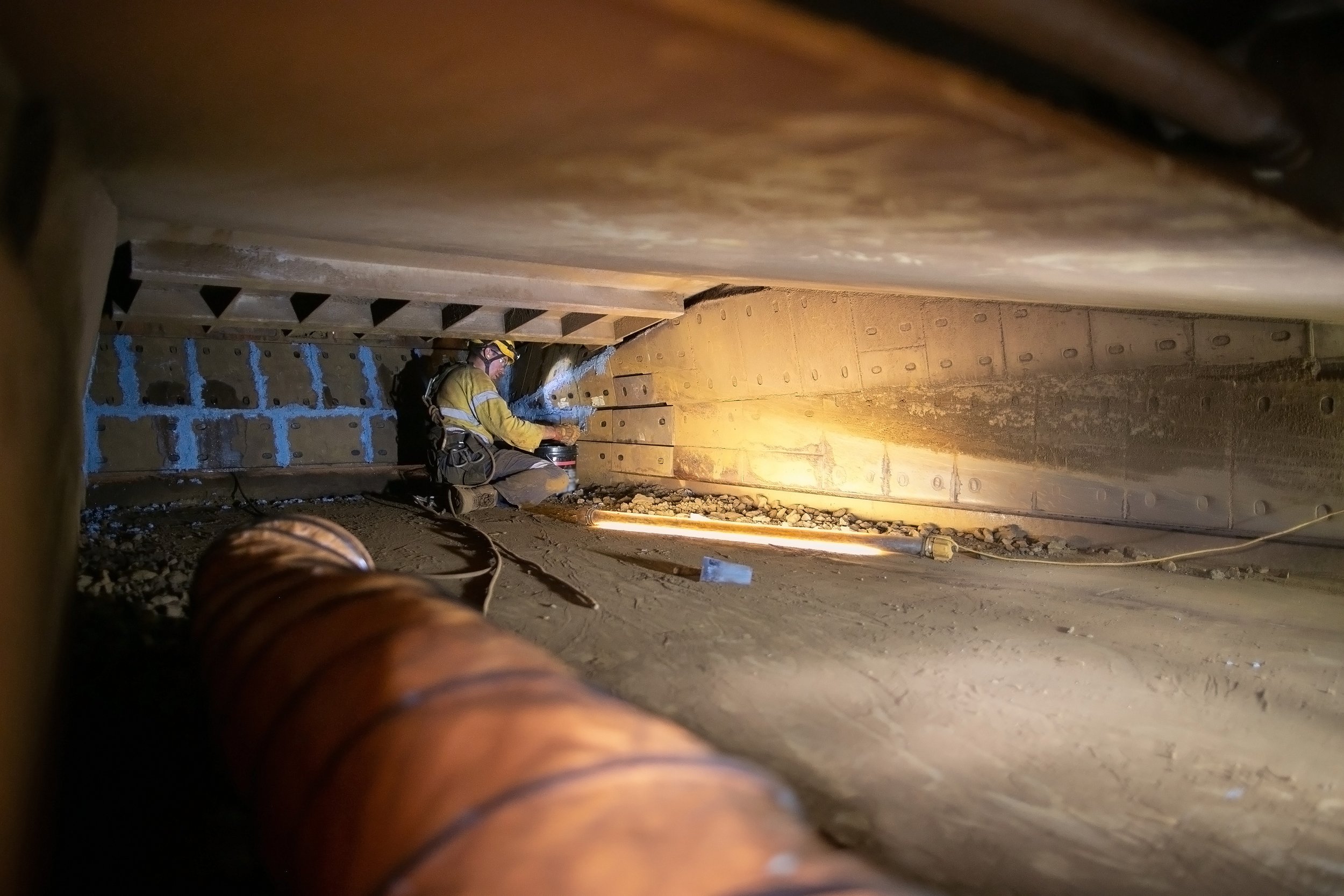
Recognize Hazards Before Entering Confined Spaces
Confined Space Awareness training provides foundational knowledge for workers who may encounter, work around, supervise, or support work involving confined spaces. Participants learn how confined spaces are identified, what types of hazards may be present, and why entry requires planning and controls rather than simply recognizing that a space is small or enclosed.
Under Ontario's confined-space requirements, a confined space is a fully or partially enclosed space that is not both designed and constructed for continuous human occupancy and where atmospheric hazards may occur because of the space's construction, location, contents, or the work performed inside it. This distinction is important because not every small, enclosed, or restricted area automatically meets the regulatory definition.
Confined-space hazards can include oxygen deficiency or enrichment, flammable or toxic gases and vapours, airborne contaminants, and changing atmospheric conditions. Workers may also encounter mechanical or electrical energy, engulfment hazards, flowing materials, heat, restricted entry or exit, falling material, poor visibility, and difficult emergency or rescue conditions.
Before a worker enters a confined space, the hazards associated with that specific space and the work being performed must be adequately assessed. That assessment helps determine the measures and procedures required in the applicable confined-space plan.
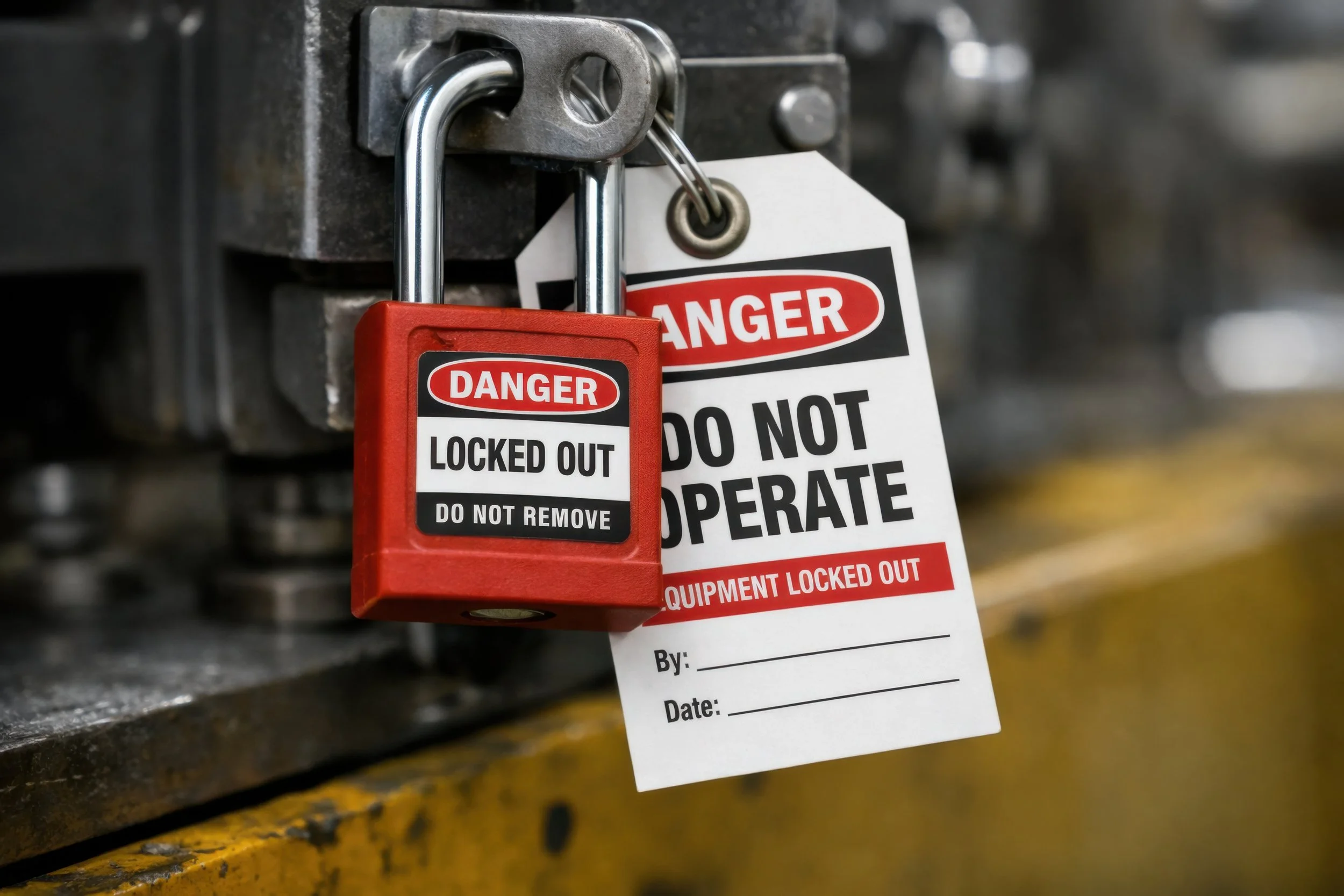
Depending on the hazards and work, confined-space controls may involve atmospheric testing, isolation, ventilation or purging, personal protective equipment, communication procedures, entry permits, attendants, and planned rescue procedures. Participants learn the purpose of these controls and why no single measure, such as checking the atmosphere or turning equipment off, automatically makes a confined space safe.
Confined Space Awareness is general awareness training. Completing this course does not automatically qualify or authorize a worker to enter a confined space. Workers who enter confined spaces or perform related work may require additional training specific to their duties, the hazards of the space, the employer's confined-space program, the applicable assessment and plan, and the procedures required for that work.
Course Topics and Learning Outcomes
Build the foundational awareness needed to recognize confined spaces, identify major hazards, and understand the assessments, controls, roles, and emergency planning involved in confined-space work.
Recognize Confined Spaces
Understand Ontario's confined-space definition and recognize situations where confined-space requirements may apply.
Identify Major Hazards
Recognize atmospheric, mechanical, electrical, engulfment, and other hazards that can make confined-space work dangerous.
Understand Hazard Assessments
Understand why hazards must be assessed before entry and how the assessment informs the controls required for the work.
Understand Entry Controls
Recognize the purpose of isolation, atmospheric testing, ventilation, permits, communication, and other confined-space controls.
Understand Entry Roles
Understand the basic purpose of entrants, attendants, and other personnel involved in planned confined-space work.
Understand Emergency Planning
Recognize why rescue procedures and equipment must be planned before entry and why uncontrolled rescue attempts can create additional victims.
Who This Course Is For
This course is intended for workers and supervisors who may encounter, work around, supervise, or support work involving confined spaces. It provides foundational hazard awareness and should not be treated as entry-specific qualification.
- Construction Workers
- Maintenance Personnel
- Industrial Workers
- Mechanical Trades
- Plumbers & Pipefitters
- Utility & Infrastructure Workers
- Facility-Maintenance Personnel
- Property-Maintenance Personnel
- Supervisors Responsible for Work Around Confined Spaces
- Workers Supporting Confined-Space Operations
Training Your Team?
Confined Space Awareness is offered as private group training for up to 12 participants. Contact us to discuss your team, scheduling, and training needs.
Frequently Asked Questions
Find answers about identifying confined spaces, entry requirements, what needs to be in place before entry, certificate validity, and arranging private group training.
How do I know if a space qualifies as a confined space in Ontario?
Ontario defines a confined space as a fully or partially enclosed space that is not both designed and constructed for continuous human occupancy and where atmospheric hazards may occur because of the space's construction, location, contents, or the work performed inside it. Not every small or enclosed area automatically meets the regulatory definition.
Does Confined Space Awareness training qualify me to enter a confined space?
No, not automatically. This course provides general awareness training. Workers who enter confined spaces or perform related work require adequate training appropriate to their duties and must follow the employer's applicable confined-space program, hazard assessment, plan, and procedures.
What needs to be in place before I enter a confined space?
The hazards associated with the specific space and work must be adequately assessed before entry. The applicable confined-space plan may require measures such as atmospheric testing, isolation, ventilation, personal protective equipment, communication procedures, entry permits, attendants, and planned on-site rescue procedures and equipment.
How long is my StartSafe Confined Space Awareness certificate valid?
StartSafe's Confined Space Awareness certificate is valid for three years. This is our certificate standard, not a universal Ontario statutory expiry period. For workplaces other than construction projects, applicable general confined-space training must also be reviewed at least annually and whenever circumstances change in a way that may affect worker safety.
How do I arrange Confined Space Awareness training for my team?
Confined Space Awareness is currently offered as private group training only, with a maximum class size of 12 participants. Use Request Group Training to discuss your group size, scheduling, and training needs.
Related Training & Fit Testing
Explore related training and fit-testing services connected to hazardous-energy control, hazardous products, and respiratory protection.