Traffic Control
Direct traffic clearly. Protect the work zone. Our Traffic Control training helps signallers and workers directing vehicular traffic understand traffic hazards, safe positioning, STOP/SLOW sign use, standard signals, PPE requirements, and the project-specific procedures required on Ontario construction projects.
Practical Traffic Control & Signaller Training
Traffic Control training prepares workers to understand the hazards, responsibilities, procedures, and practical skills involved in directing vehicular traffic on Ontario construction projects.
The course is primarily intended for signallers and workers who direct vehicular traffic where vehicle movement may create a hazard to workers. Training combines instructor-led theory with hands-on practical exercises so participants can apply traffic-control concepts rather than simply review them in a classroom.
Workers directing traffic may be exposed to approaching vehicles, distracted drivers, reversing equipment, blind spots, poor visibility, changing traffic conditions, and unsafe worker positioning. Effective traffic control helps create a more predictable environment for both workers and drivers while reducing exposure to struck-by hazards.
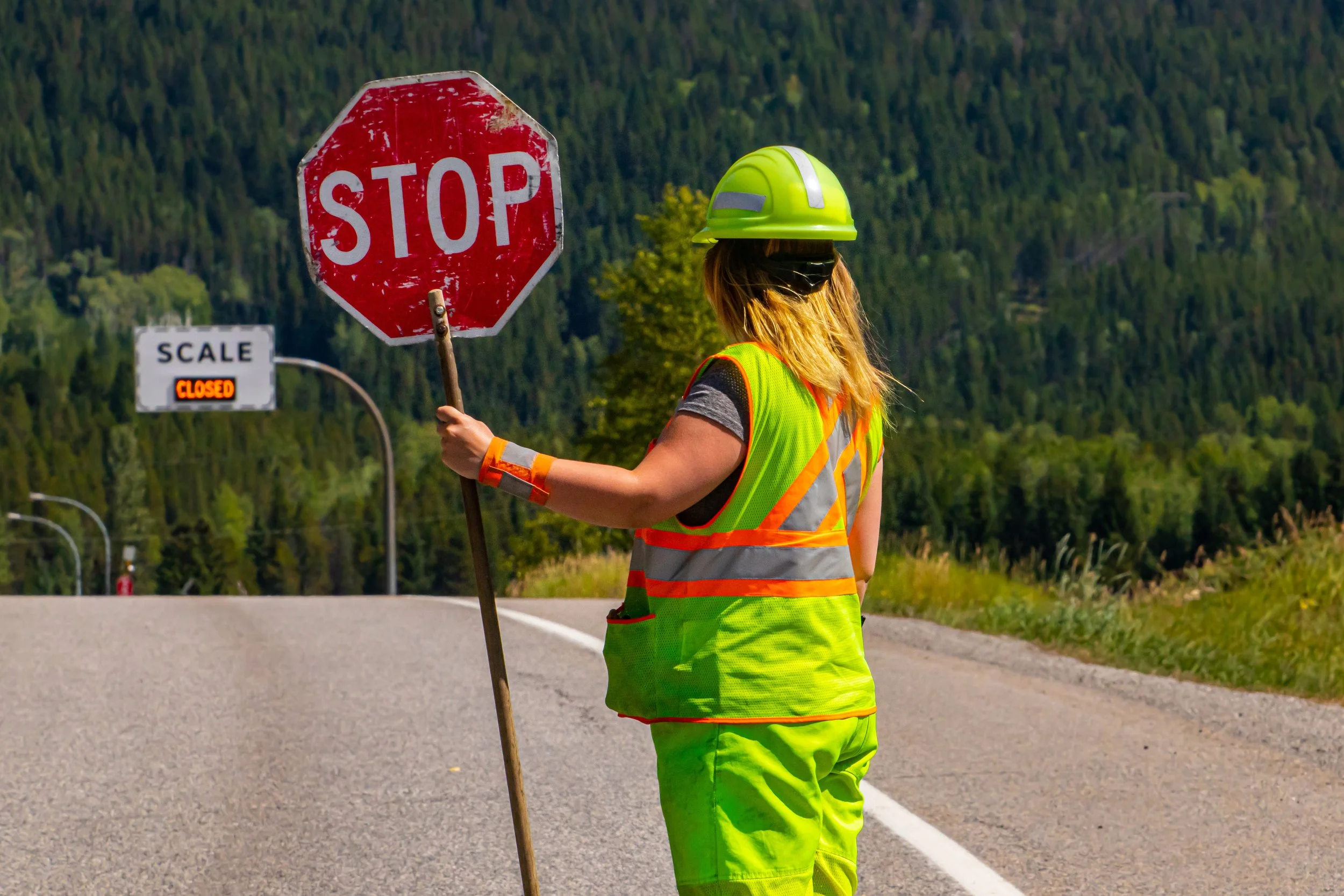
Participants learn the responsibilities of a worker directing vehicular traffic, including maintaining full attention on the task, using clear and consistent signals, following written and oral instructions, and positioning themselves to reduce exposure to moving traffic as much as possible.
The course also covers the correct use of STOP/SLOW traffic-control signs, worker visibility, high-visibility apparel, traffic-control PPE, communication between signallers, and practical positioning principles such as remaining visible to approaching drivers and maintaining an escape route where conditions allow.
Ontario Traffic Manual Book 7 — Temporary Conditions is referenced throughout the training to support an understanding of temporary traffic-control practices, work-zone organization, signs, devices, delineation, and worker protection.
Completing this course does not replace the employer's traffic-protection plan, project-specific procedures, or the written and oral instructions required for the actual work. It also does not automatically qualify a participant to design or approve temporary traffic-control layouts. Employers remain responsible for ensuring workers are competent for the duties they perform.
Course Topics and Learning Outcomes
Build the practical awareness and skills needed to recognize traffic hazards, direct traffic clearly, position yourself appropriately, and work within the project's traffic-protection procedures.
Recognize Traffic Hazards
Identify hazards created by moving vehicles, equipment, changing work-zone conditions, visibility, and worker positioning.
Understand Signaller Responsibilities
Understand the responsibilities of a worker directing vehicular traffic, including maintaining attention, following instructions, and performing the work competently.
Use Traffic-Control Signals
Understand and practice clear, consistent traffic-control signals and proper STOP/SLOW sign use.
Position Yourself Safely
Recognize positioning principles that help maintain visibility while reducing exposure to moving vehicles and equipment.
Understand Traffic-Control PPE
Understand the purpose of high-visibility apparel, safety footwear, and other PPE used to protect workers exposed to vehicular traffic.
Apply Book 7 & Project Procedures
Understand how Ontario Traffic Manual Book 7 principles, employer instructions, and project-specific traffic-protection measures work together.
Who This Course Is For
Traffic Control training is primarily intended for workers who direct vehicular traffic or act as signallers on construction projects. It is also relevant to supervisors and crews responsible for temporary traffic-control operations where workers may be exposed to moving vehicles.
- Construction Traffic-Control Workers
- Signallers
- Workers Directing Vehicular Traffic
- Road-Construction Workers
- Utility Workers
- Infrastructure Crews
- Construction Labourers
- Workers Supporting Temporary Traffic-Control Operations
- Supervisors Responsible for Crews Exposed to Vehicular Traffic
Training Your Crew?
Traffic Control is offered as private group training for up to 12 participants and can be delivered on site. Contact us to discuss your crew, location, scheduling, and training requirements.
Frequently Asked Questions
Find answers about who this training is for, hands-on practice, certificate validity, course requirements, and private group training.
Should I take Traffic Control training?
Traffic Control training is primarily intended for workers and signallers who direct vehicular traffic on Ontario construction projects or who may be assigned traffic-control responsibilities around construction work.
Will I get hands-on Traffic Control training?
Yes. The approximately four-hour course includes both theory and practical exercises. You’ll practice traffic-control skills such as worker positioning, traffic-control signals, and STOP/SLOW sign use.
Does my StartSafe Traffic Control certificate expire?
StartSafe does not currently assign an expiry date to our Traffic Control certificate. Ontario does not establish one universal expiry period for a general signaller training certificate. Employers remain responsible for ensuring workers continue to be competent and receive the written, oral, and project-specific instructions required for their work.
What do I need to bring to the course?
Bring CSA-approved safety boots and wear clothing suitable for practical training exercises. We review proper traffic-control PPE during the course and have additional traffic-control PPE available for instruction and practical exercises. Actual workplace PPE must meet the requirements of the project and work being performed.
Can I book private Traffic Control training for my crew?
Yes. Traffic Control is offered as private group training for up to 12 participants, including on-site delivery. Use Request Group Training to discuss your group size, location, scheduling, and training needs.
Related Safety Courses
Explore additional training related to construction safety awareness, fall hazards, and equipment operation.